
Politics
Trump’s Controversial Reaction to Robert Mueller’s Death Sparks Outrage and Debate
The passing of Robert Mueller at the age of 81 has triggered a wave of global reflection on public service, leadership, and political ethics. However, what might have been a moment of national mourning quickly turned into controversy after Donald Trump publicly reacted with a statement many have described as shocking and deeply inappropriate.
This incident has reignited broader discussions about political discourse, respect for the deceased, and the moral responsibilities of public figures.
A Career Defined by Service and Integrity
Robert Mueller’s legacy is rooted in decades of commitment to public service. A decorated Marine Corps officer during the Vietnam War, Mueller demonstrated courage early in life, earning honors such as the Purple Heart and Bronze Star for valor.
Following his military service, he pursued a legal career that ultimately led him to become Director of the FBI, a role he held for 12 years under both Republican and Democratic administrations. His bipartisan appointment and reappointment highlighted a reputation for professionalism, discipline, and integrity.
Mueller later became widely known for leading the investigation into Russian interference in the 2016 U.S. presidential election—an inquiry that placed him at the center of intense political scrutiny.
Trump’s Reaction and Immediate Backlash
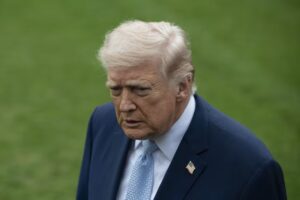
Shortly after Mueller’s death was reported, Donald Trump posted a message stating he was “glad” Mueller had died. The remark quickly spread across media platforms, drawing strong criticism from political leaders, commentators, and the public.
Many viewed the statement as crossing a moral line, particularly given the longstanding expectation that leaders show respect—even toward political opponents—after death. Critics argued that such rhetoric undermines the dignity of public office and reflects a broader decline in political civility.
A Pattern of Controversial Remarks
This was not an isolated incident. Over the years, Trump has faced repeated criticism for comments made about deceased individuals, including political rivals and public figures. These instances have contributed to a growing perception of a communication style that often disregards traditional norms of respect and empathy.
From remarks about war heroes to criticisms of former officials shortly after their deaths, the pattern has intensified debates about leadership standards in modern politics.
Public Reaction: Division and Reflection
The response to Trump’s statement has been sharply divided. Supporters tend to view his blunt communication style as authenticity, while critics argue it reflects a lack of empathy and moral responsibility.
Beyond political divides, many commentators emphasized that Mueller’s life story—marked by sacrifice, discipline, and service—deserves recognition regardless of political disagreements. His career is often cited as an example of dedication to national duty over personal or partisan interests.
The Broader Question: Ethics in Leadership
This controversy raises larger questions about the role of ethics in leadership. Should public figures be held to higher standards of conduct? Does freedom of speech justify statements that may be considered harmful or disrespectful?
Historically, moments of death have been treated as opportunities for unity and reflection. When leaders deviate from this norm, it can deepen societal divisions and reshape expectations around public discourse.
Remembering Mueller Beyond Politics
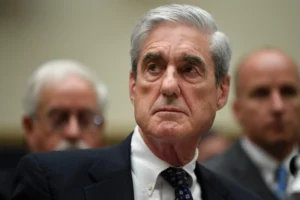
While political narratives continue to dominate headlines, many argue that Robert Mueller’s legacy should not be overshadowed by controversy. His journey—from a privileged upbringing to military service, and ultimately to one of the most prominent law enforcement roles in the United States—reflects a consistent commitment to duty.
For many Americans and observers worldwide, Mueller represents a model of public service grounded in accountability and restraint—qualities increasingly debated in today’s political climate.
Conclusion
The reaction of Donald Trump to Robert Mueller’s death has sparked more than just outrage—it has ignited an important conversation about respect, leadership, and the boundaries of political expression. As public figures continue to shape societal norms, moments like this serve as a reminder of the lasting impact words can have, especially when spoken from positions of power.
FAQs
1. Who was Robert Mueller?
He was a former FBI Director and a decorated Vietnam War veteran known for his long career in public service.
2. Why is Trump’s comment controversial?
Because he publicly expressed satisfaction over the death of a political opponent, which many consider inappropriate.
3. What did Mueller investigate?
He led the investigation into Russian interference in the 2016 U.S. election.
4. Has Trump made similar comments before?
Yes, he has previously been criticized for remarks about deceased public figures.
5. Why does this incident matter?
It raises concerns about ethics, leadership standards, and respect in political communication.

