
Bad News
Trump–Iran Ceasefire Deal: Behind-the-Scenes Diplomacy and What Comes Next
Apr
Tensions between the United States and Iran took a dramatic turn as a fragile ceasefire emerged following weeks of escalating conflict. The situation, shaped by high-stakes diplomacy, military pressure, and global economic concerns, highlights a critical moment in international relations.
This article breaks down how the agreement came together, the key players involved, and what it could mean for global stability moving forward.
A Sudden Shift Toward Diplomacy
After weeks of threats and military escalation, Donald Trump announced a two-week ceasefire with Iran, signaling a potential pause in hostilities. The agreement came as a surprise, especially given the increasingly aggressive rhetoric from both sides.
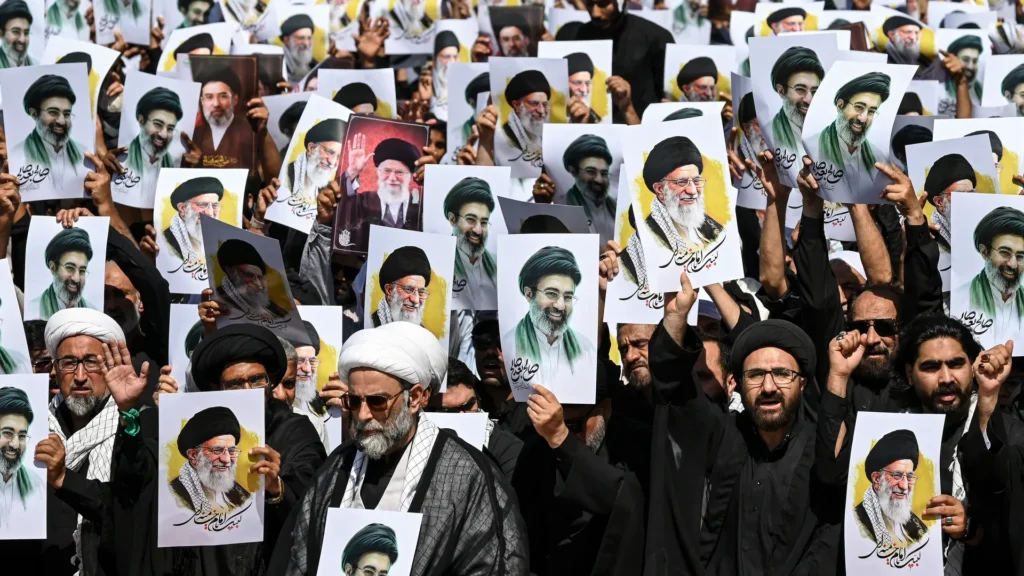
Behind the scenes, sources revealed that Mojtaba Khamenei played a pivotal role by instructing negotiators to move toward a deal—marking a significant shift in Iran’s approach since the conflict began.
This decision was described by insiders as a “breakthrough,” opening the door to urgent diplomatic engagement.
High-Stakes Negotiations and Global Mediation
The path to a ceasefire was anything but smooth. Diplomatic efforts involved multiple countries acting as intermediaries, including Pakistan, Egypt, and Turkey. U.S. envoy Steve Witkoff reportedly led intense negotiations, exchanging proposals with Iran’s foreign minister Abbas Araghchi.
At one point, U.S. officials were preparing for a large-scale military strike, unsure whether diplomacy would succeed. Meanwhile, Iran faced internal pressure, with civilians bracing for potential escalation.
Despite the chaos, both sides gradually moved closer to an agreement, culminating in a temporary ceasefire proposal.
The Role of Military Pressure
The ceasefire did not occur in a vacuum. Military threats from Washington played a significant role in pushing negotiations forward.
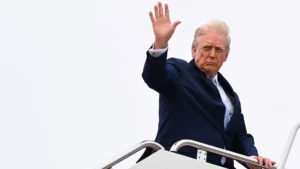
President Trump had warned of severe consequences, even suggesting devastating attacks if Iran failed to comply. These statements, while controversial, were later framed by U.S. officials as a strategy to force Iran to the negotiating table.
Simultaneously, Israeli Prime Minister Benjamin Netanyahu remained closely involved, coordinating with U.S. leadership throughout the process.
Strategic Importance of the Strait of Hormuz
A central condition of the ceasefire is the reopening of the Strait of Hormuz—a critical global shipping route responsible for nearly 20% of the world’s oil flow.
The disruption of this passage had already triggered spikes in global energy prices and heightened fears of an economic crisis. As part of the agreement, Iran signaled it would allow limited maritime traffic under coordination with its armed forces.
Trump also indicated that the U.S. would assist in managing congestion in the strait, though specific details remain unclear.
Conflicting Narratives and Ongoing Risks
Despite the ceasefire announcement, both sides continue to present conflicting narratives. While the U.S. claims progress toward de-escalation, Iranian officials remain cautious and emphasize sovereignty.
There are still major unresolved issues, including:
- Iran’s nuclear program
- Control and security of key shipping routes
- Long-term military presence in the region
Experts warn that the ceasefire is fragile and could collapse if negotiations stall.
What Happens Next?
The coming days will be critical. Planned diplomatic talks, potentially led by U.S. Vice President representatives, aim to build on the ceasefire and move toward a longer-term agreement.
However, significant challenges remain. Trust between the two nations is extremely low, and any misstep could reignite conflict.
Still, the temporary truce offers a narrow window for diplomacy—and a chance to avoid a broader regional war.
FAQs
1. Why did the U.S. and Iran agree to a ceasefire?
To prevent further escalation and allow time for diplomatic negotiations.
2. What role did Mojtaba Khamenei play?
He reportedly authorized Iranian negotiators to pursue a deal.
3. Why is the Strait of Hormuz important?
It is a key route for global oil transportation.
4. Is the ceasefire permanent?
No, it is currently a temporary two-week agreement.
5. Could the conflict start again?
Yes, if negotiations fail or tensions rise, fighting could resume.

