
News
Appeals Court Blocks Contempt Probe Into Trump Officials Over Deportation Flights
Apr
A major legal battle involving executive power, immigration policy, and judicial authority has taken a decisive turn after a federal appeals court halted a contempt investigation into officials from the administration of Donald Trump. The ruling effectively stops efforts by a lower court judge to hold officials accountable for actions tied to controversial deportation flights.
Overview of the Case
The dispute centers on actions taken under the Alien Enemies Act, a rarely used statute invoked to justify deporting migrants deemed national security threats.
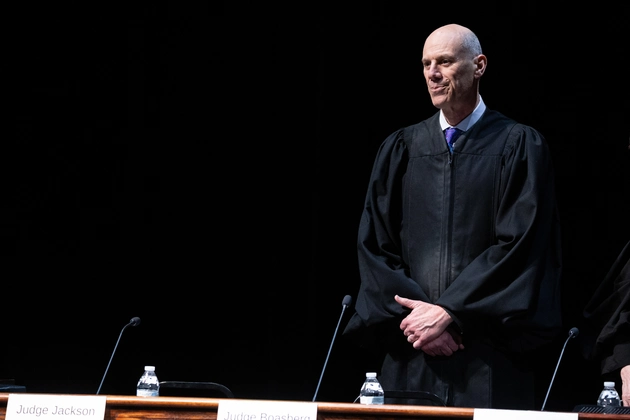
At the heart of the controversy is James Boasberg, who previously found “probable cause” to consider whether administration officials had violated his court order to temporarily halt deportations. He initiated a criminal contempt inquiry to investigate whether those actions were willful.
However, the DC Circuit Court of Appeals intervened—again.
Appeals Court Decision: A 2–1 Split
In a sharply divided ruling, the appeals court determined that Judge Boasberg overstepped his authority. The majority opinion, written by Neomi Rao and joined by Justin Walker, concluded that continuing the contempt probe would improperly intrude into executive branch decision-making.
According to the ruling, the investigation risked exposing sensitive discussions related to national security and diplomacy—areas traditionally protected from judicial overreach.
The court described the inquiry as:
- An “abuse of discretion”
- A threat to executive autonomy
- A legally unproductive process
The Dissenting Opinion
The decision was not unanimous. Michelle Childs issued a lengthy dissent, warning that the ruling could weaken the judiciary’s ability to enforce its own orders in the future.
She argued that contempt of court is a fundamental legal tool and that limiting it could set a dangerous precedent for future cases involving government compliance.
Background: Deportations and Legal Conflict
The case stems from a 2025 operation in which over 100 migrants—allegedly linked to criminal organizations—were deported to El Salvador.
Judge Boasberg had issued urgent instructions to pause the deportations, including requests to keep certain flights within U.S. custody. However, the administration proceeded, arguing:
- The judge’s oral directives were unclear
- The written order came too late
- The planes had already left U.S. airspace
Officials, including then–Homeland Security leadership, maintained that their actions did not violate the court’s formal written order.

Role of the Supreme Court
The dispute also reached the Supreme Court of the United States, which sided with the administration on a procedural issue—stating that the case should have been filed in a different jurisdiction.
While that decision did not directly address contempt, it added momentum to the administration’s broader legal position.
Political and Legal Implications
The ruling marks a significant victory for the Trump administration and highlights ongoing tensions between branches of government.
Key implications include:
- Executive Power: Reinforces limits on judicial oversight in national security matters
- Judicial Authority: Raises concerns about courts’ ability to enforce rulings
- Immigration Policy: Reflects aggressive use of historic laws in modern contexts
Legal experts note that the case could shape how future courts handle disputes involving emergency powers and executive actions.
What Happens Next?
Despite the ruling, the legal fight may not be over. Advocacy groups like the American Civil Liberties Union have indicated plans to seek further review by the full appeals court.
The broader debate—about whether the executive branch must strictly comply with judicial orders in fast-moving national security situations—remains unresolved.
FAQs
1. What did the appeals court decide?
It blocked the contempt investigation into Trump administration officials.
2. Who initiated the contempt probe?
U.S. District Judge James Boasberg.
3. What law was used for deportations?
The Alien Enemies Act of 1798.
4. Why did the court stop the probe?
It said the investigation overstepped judicial authority into executive matters.
5. Can the case still continue?
Possibly, if higher courts agree to review the decision.

